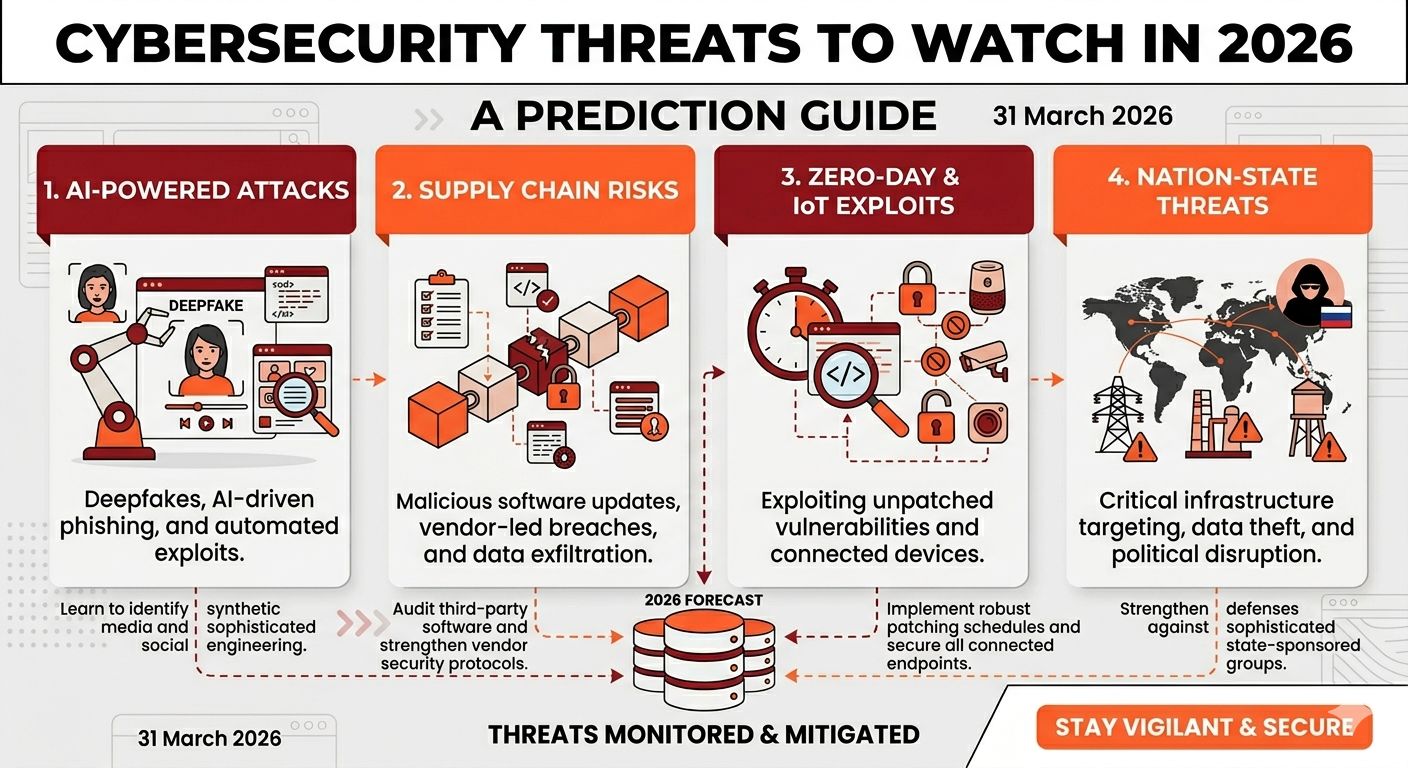
The cybersecurity landscape of 2026 bears little resemblance to the threats of just five years ago. As artificial intelligence empowers attackers with unprecedented automation, and quantum computing looms on the horizon promising to shatter current encryption standards, businesses face an evolved battlefield where traditional defenses crumble against sophisticated, adaptive adversaries.
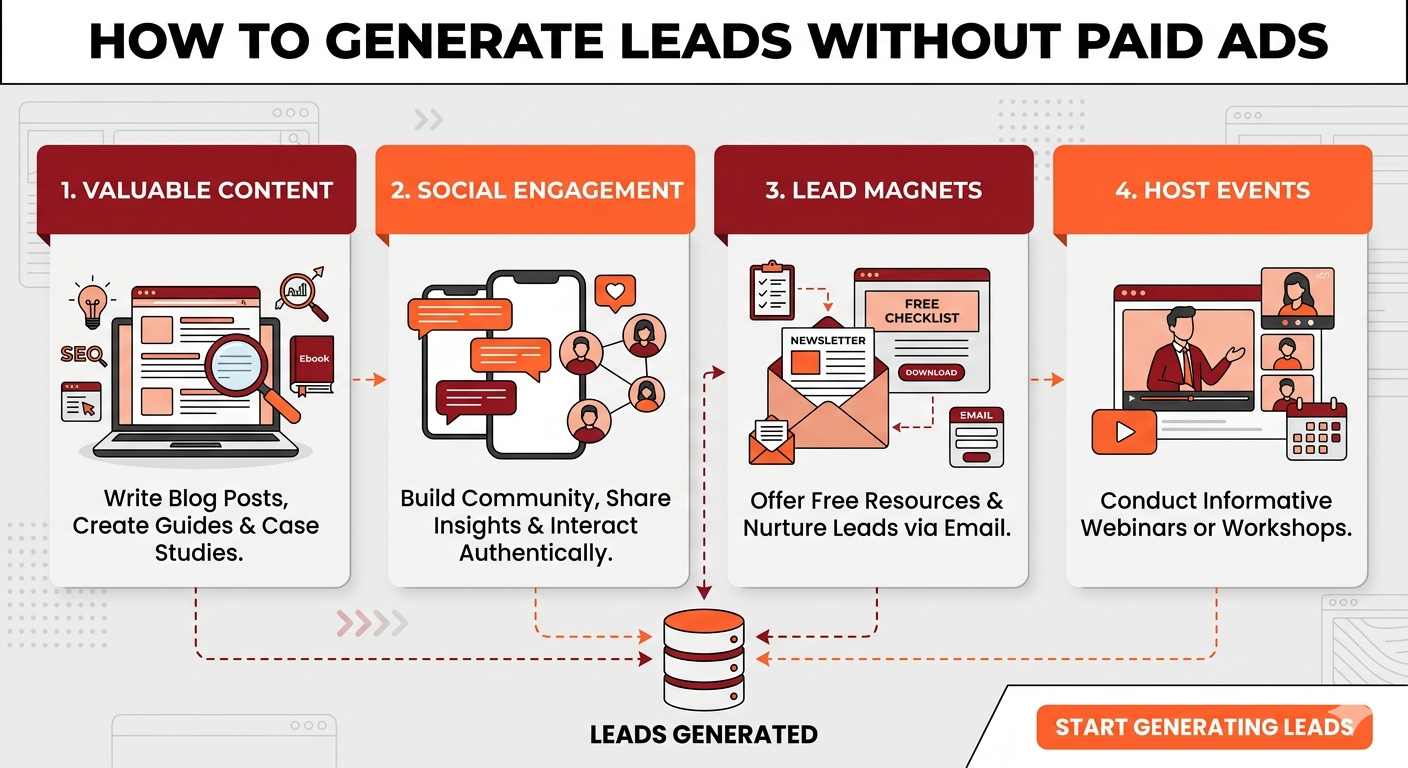
Paid advertising costs are spiraling. With cost-per-click rates increasing 15-20% annually across major platforms, businesses hemorrhaging budget on Meta and Google Ads are discovering a sobering truth: when the money stops, the leads vanish. Sustainable growth requires building organic lead generation engines that compound over time without continuous ad spend.
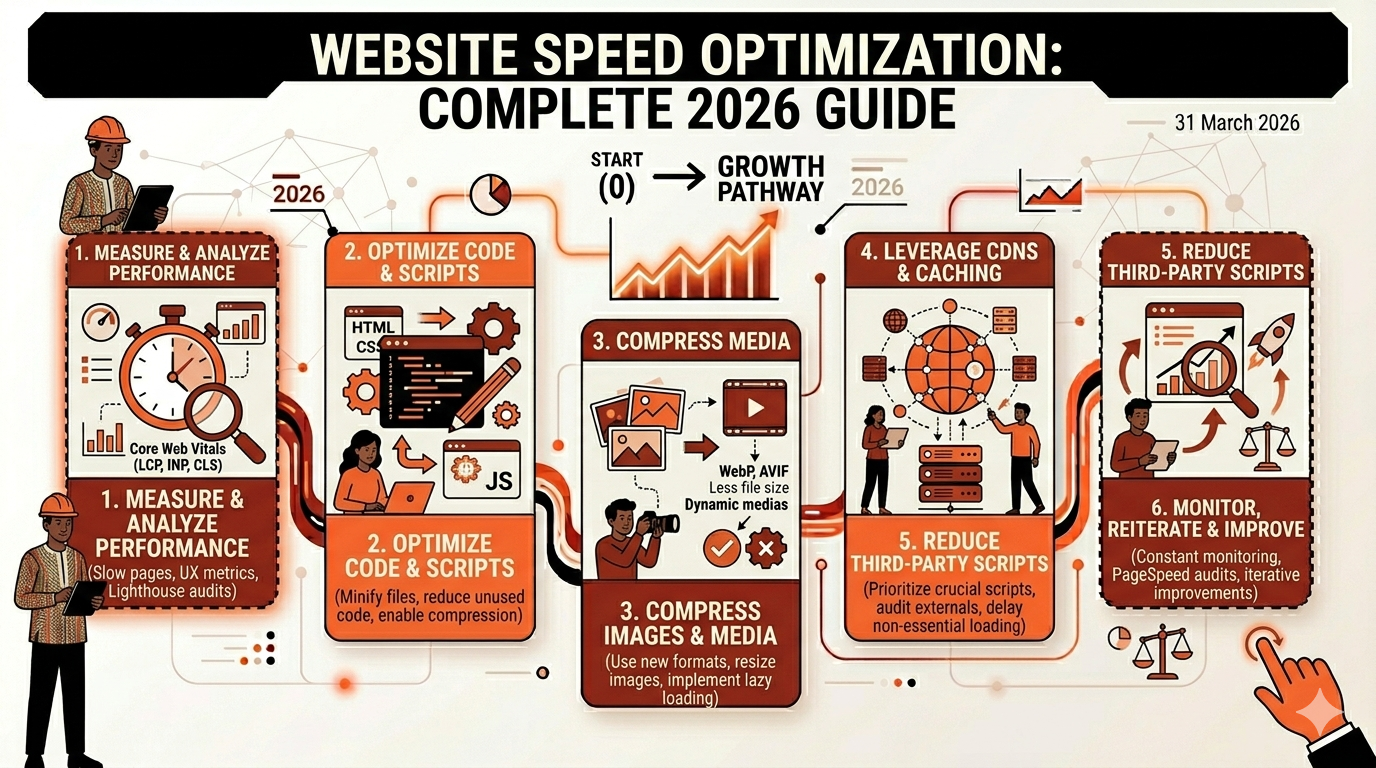
In 2026, patience isn't just a virtue—it's a luxury your customers cannot afford. With global internet speeds increasing yet attention spans shrinking to 8 seconds or less, website speed has evolved from a technical metric to a primary business survival factor. A delay of even one second now costs e-commerce giants millions, while for growing businesses, it means the difference between capturing a lead and losing them to a faster competitor.
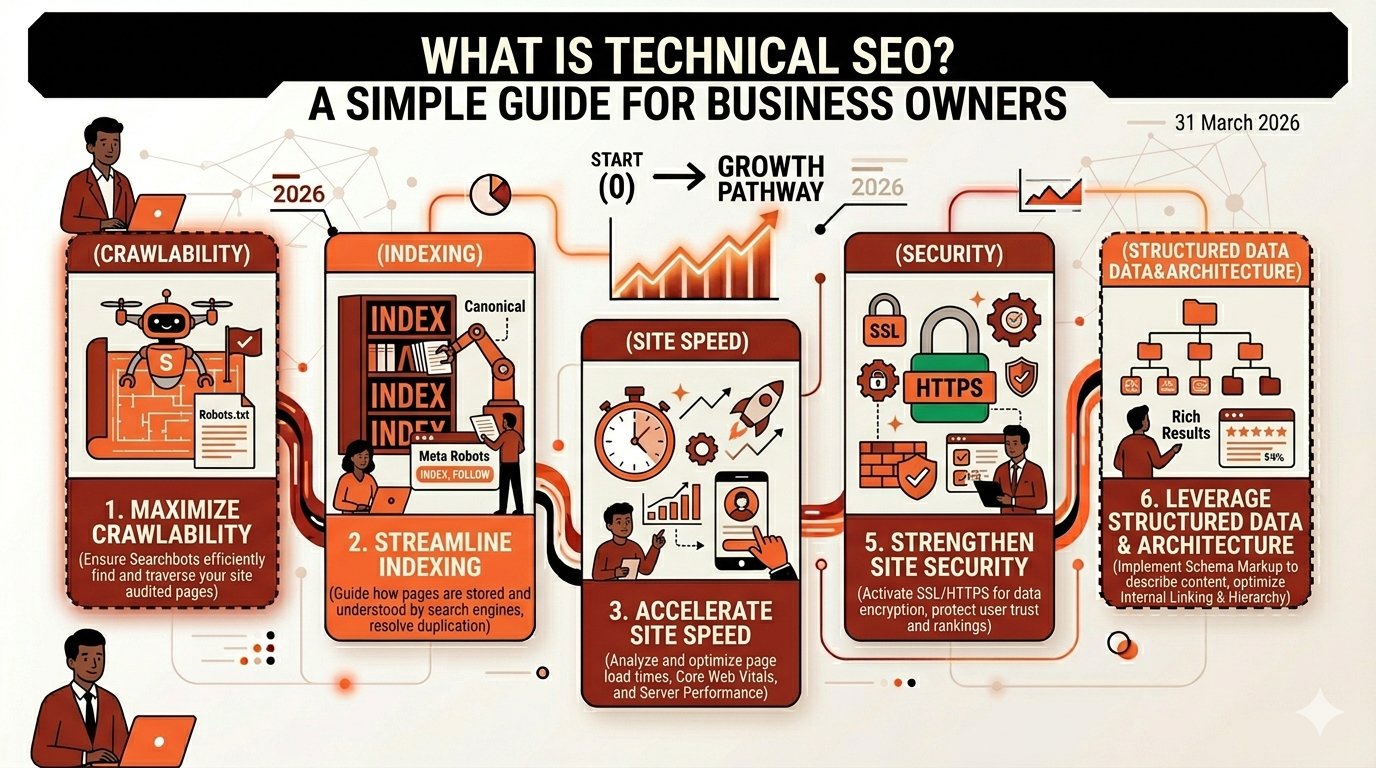
You've invested in stunning website design and compelling content, yet your Google rankings remain stubbornly low. Your competitors with inferior products outrank you. The likely culprit? Technical SEO—the invisible infrastructure that determines whether search engines can actually find, understand, and display your website to potential customers.
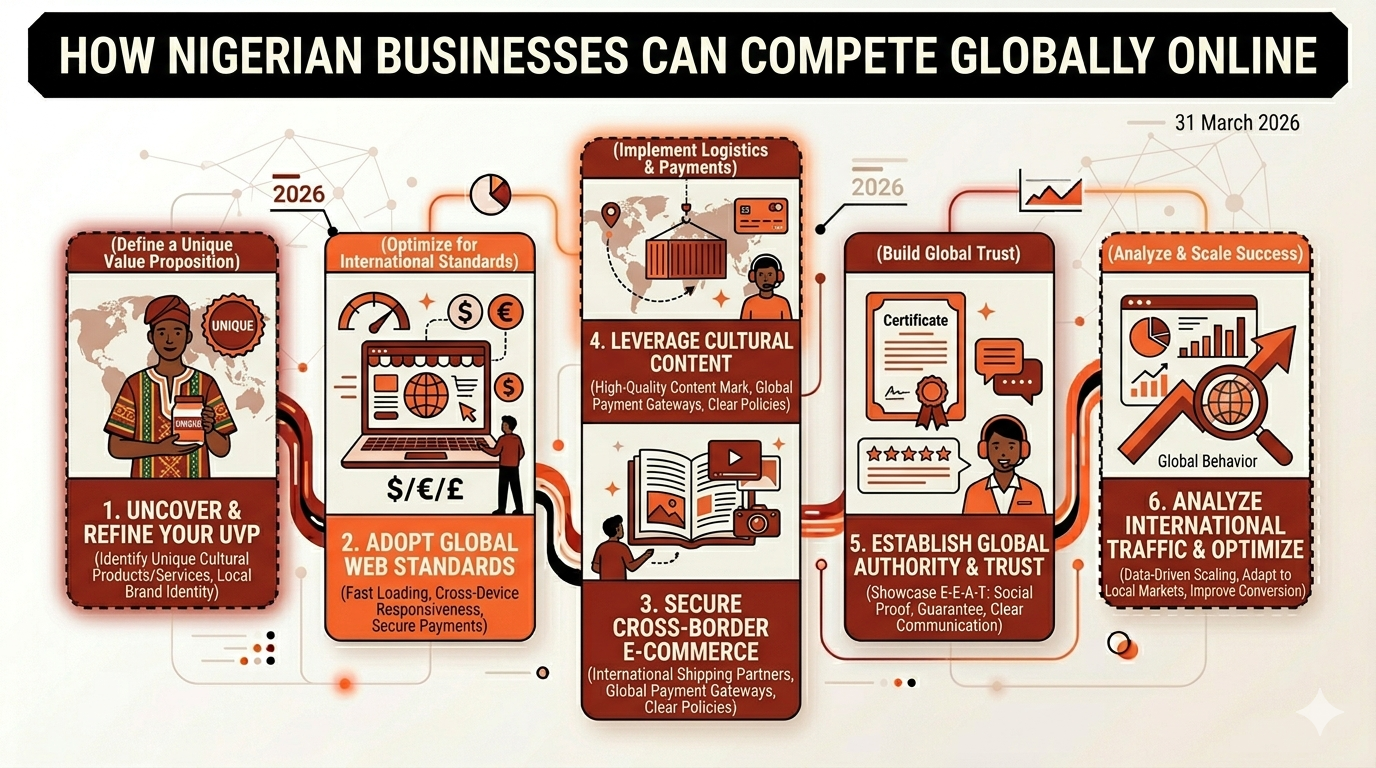
Nigeria's digital economy is exploding. With over 122 million internet users and a tech-savvy population driving innovation across fintech, e-commerce, and creative industries, Nigerian businesses possess unprecedented potential to capture global market share. Yet many entrepreneurs struggle to bridge the gap between local success and international scalability.
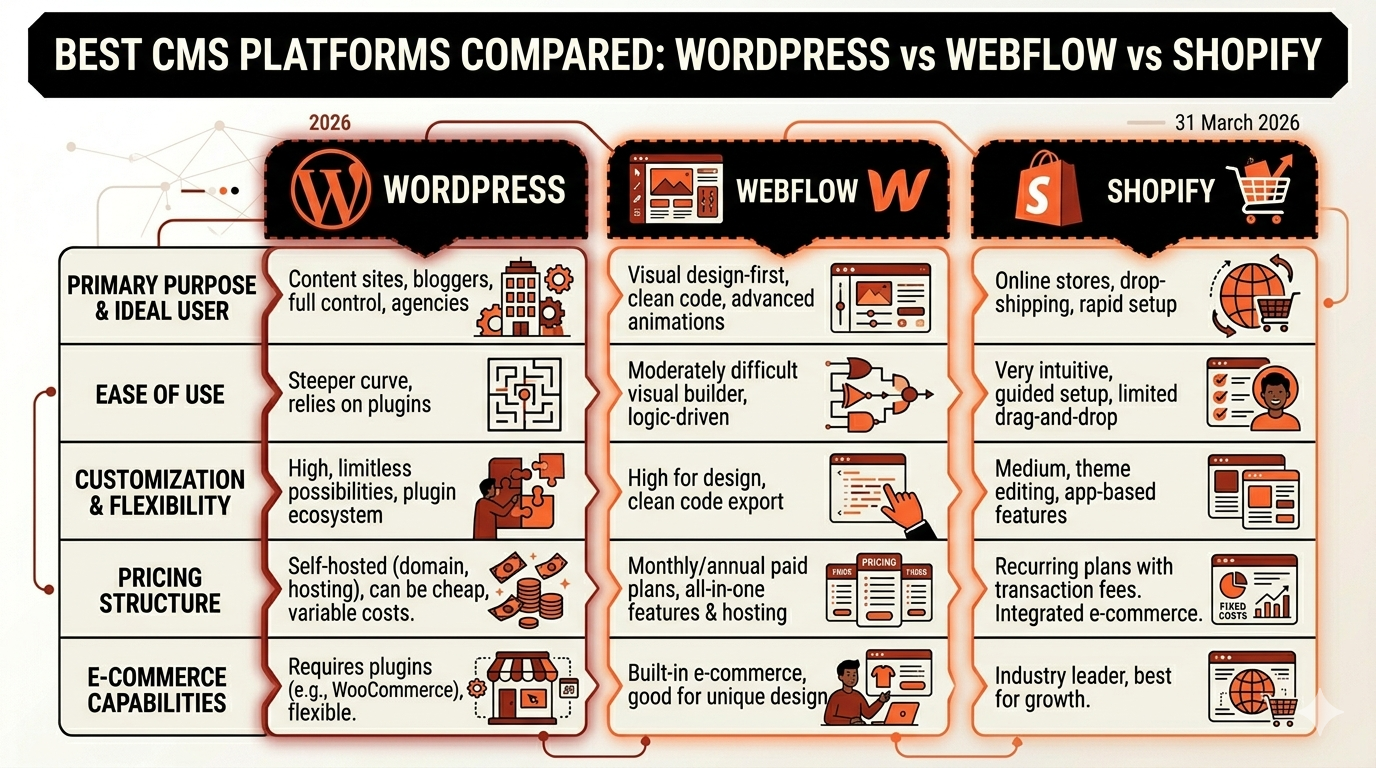
Selecting the right Content Management System (CMS) isn't just a technical decision—it's a strategic business move that impacts your digital presence, conversion rates, and long-term scalability. With WordPress, Webflow, and Shopify dominating the market, business owners face a critical choice that can either accelerate growth or create costly migration headaches down the road.
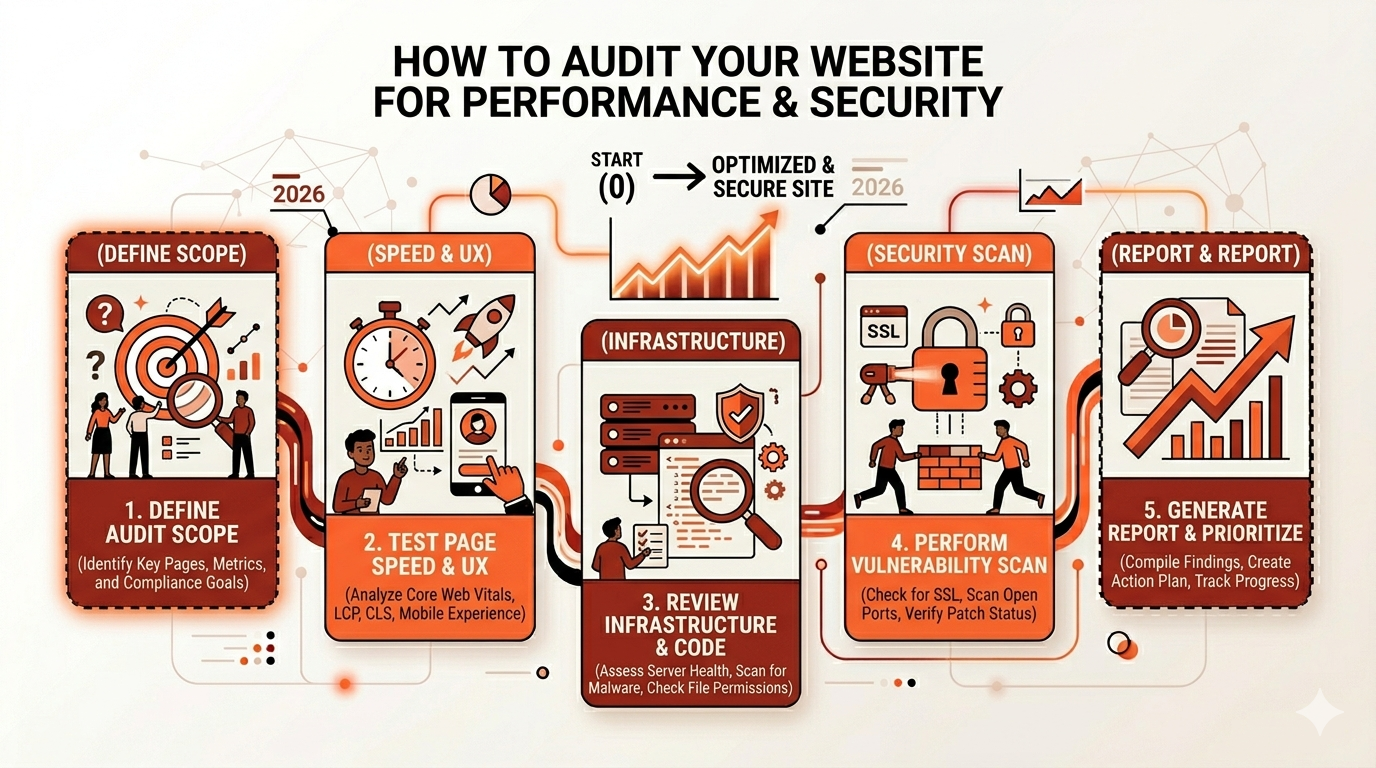
Your website is your hardest-working employee—operating 24/7, representing your brand to the world, and processing transactions while you sleep. But like any complex system, it requires regular health checks. Without systematic auditing, performance degrades, security vulnerabilities emerge, and user experience silently deteriorates—costing you revenue and reputation.
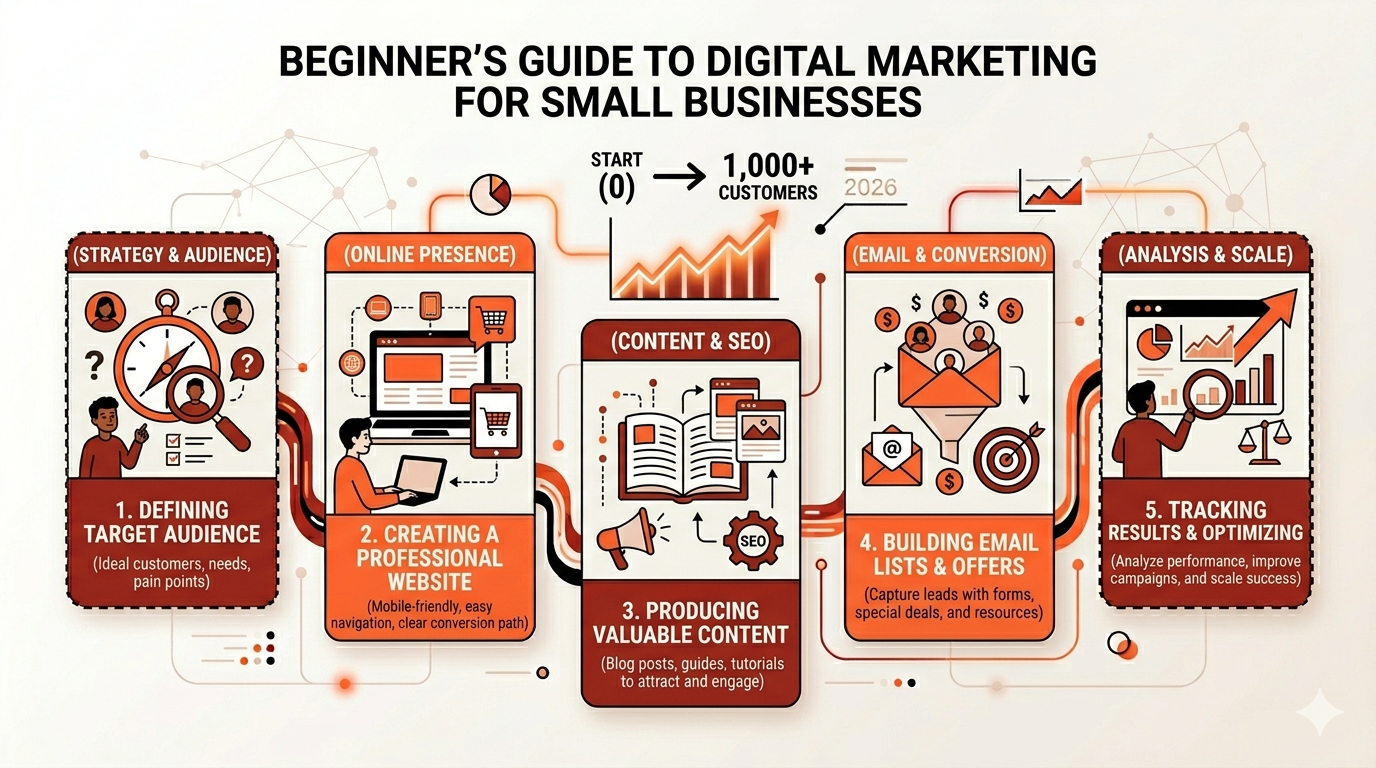
Digital marketing isn't optional for small businesses in 2026—it's survival. But with limited budgets, competing priorities, and jargon-heavy advice, knowing where to start feels overwhelming. This guide cuts through the noise, providing a practical roadmap to establish your online presence, attract customers, and drive revenue without enterprise-level resources.
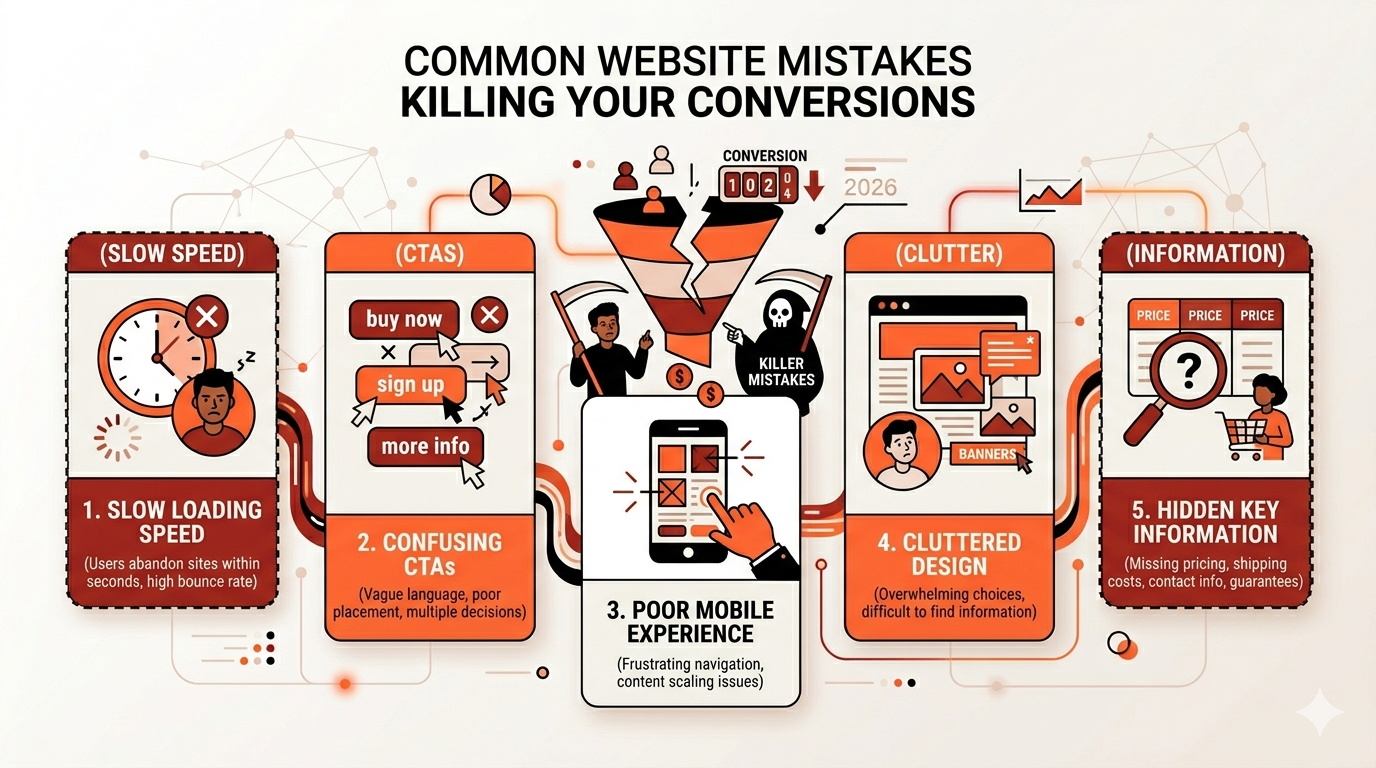
Your website looks professional. Your traffic is growing. Yet conversions remain stubbornly low. The culprit isn't your offer or your audience—it's invisible friction points sabotaging every click. In 2026, subtle UX errors cost businesses millions in lost revenue, often while leaders remain oblivious to the damage.
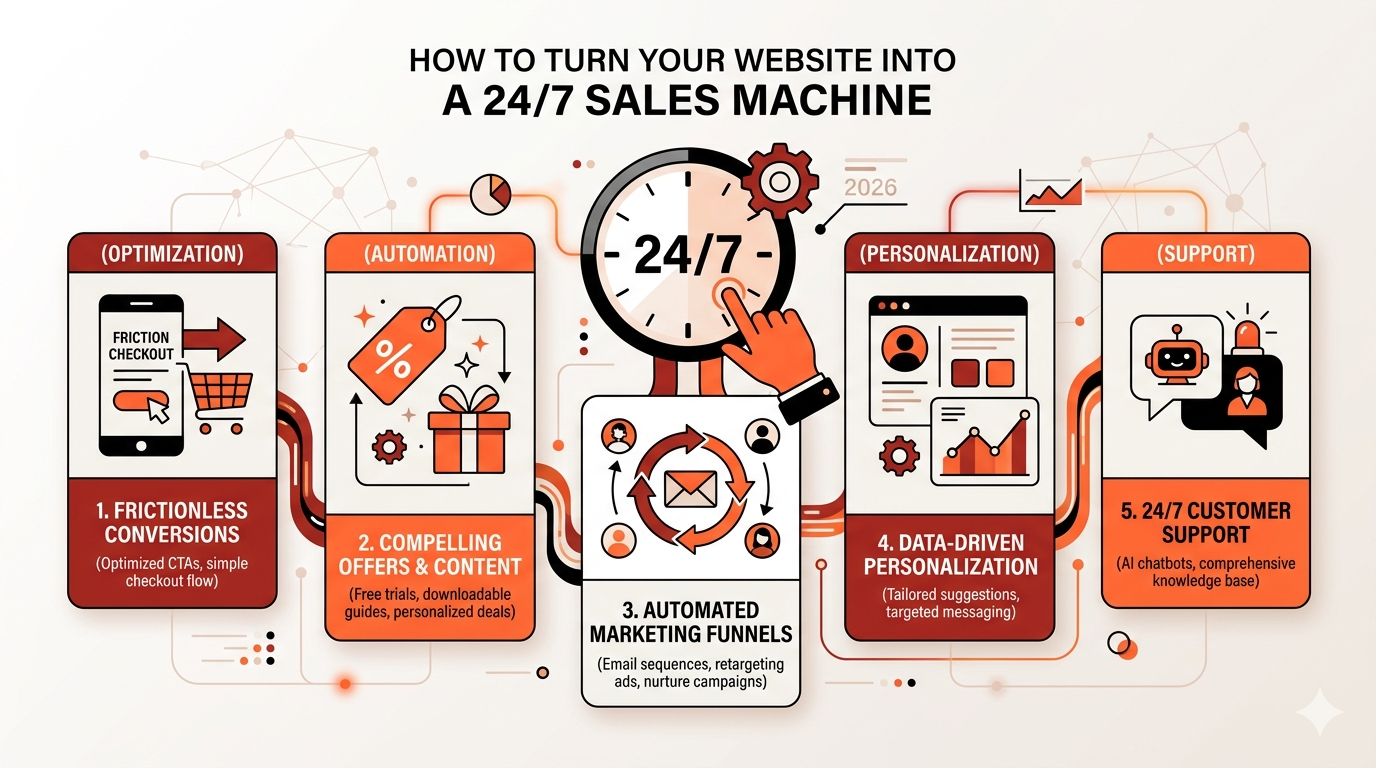
Your website shouldn't be a digital brochure—it should be your hardest-working salesperson. While you sleep, your website can qualify leads, process transactions, nurture prospects, and close deals. In 2026, the businesses winning market share have transformed their sites from passive information repositories into active revenue engines that never clock out.